Functional porous materials
COFs, β-cyclodextrin polymers, magnetic composites and dendritic fibrous nanosilica with tailored pore chemistry for selective critical-mineral recovery.
Assistant Researcher (助理研究员) · Guangzhou University
I design covalent organic frameworks, cyclodextrin polymers and dendritic nanosilica that pull rare-earth elements out of industrial waste streams, and core-shell catalysts that convert pollutants at lower temperatures.

COFs, β-cyclodextrin polymers, magnetic composites and dendritic fibrous nanosilica with tailored pore chemistry for selective critical-mineral recovery.
Core-shell catalyst architectures for pollutant conversion; low-temperature methane activation; surface engineering for sulfur and water tolerance.
Machine learning for materials–environment interactions: source apportionment, predictive modelling and data-driven experimental design.
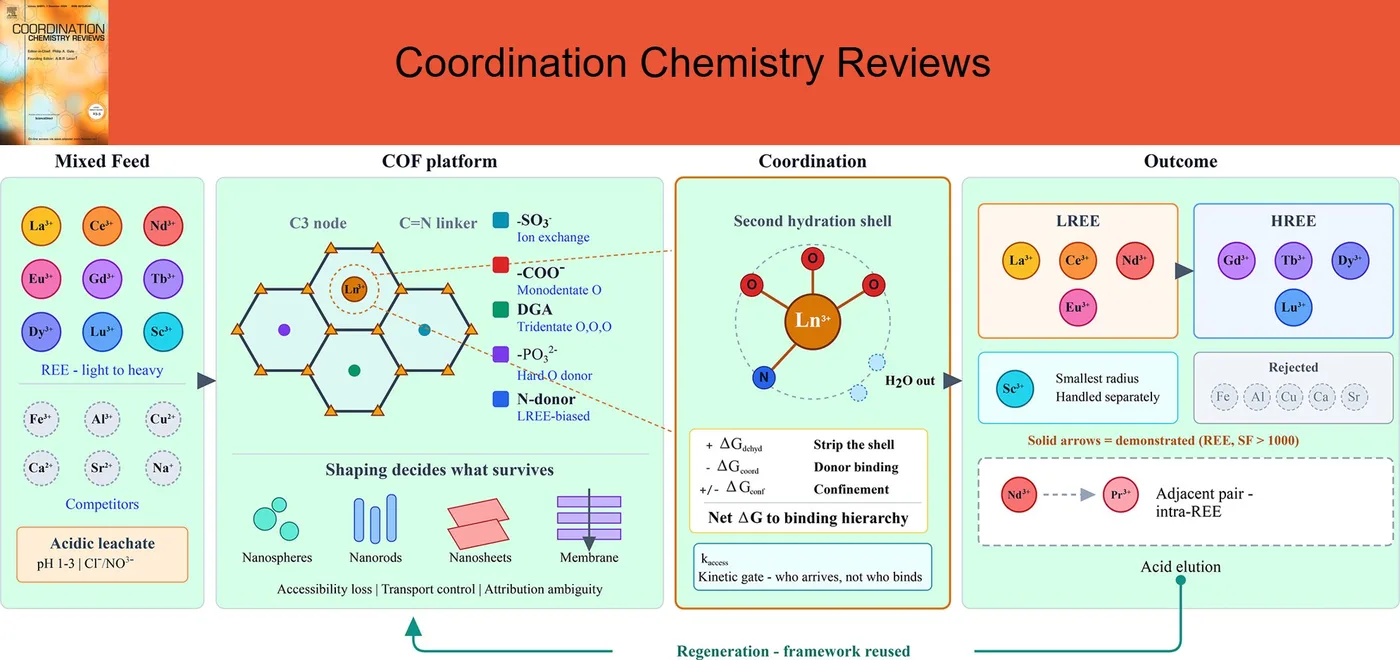
A thermodynamic-kinetic framework for COF-based rare-earth separation: donor chemistry and dehydration set the light/heavy REE split, while pore confinement and access kinetics govern separation within each group.
Coordination Chemistry Reviews 2027 First author
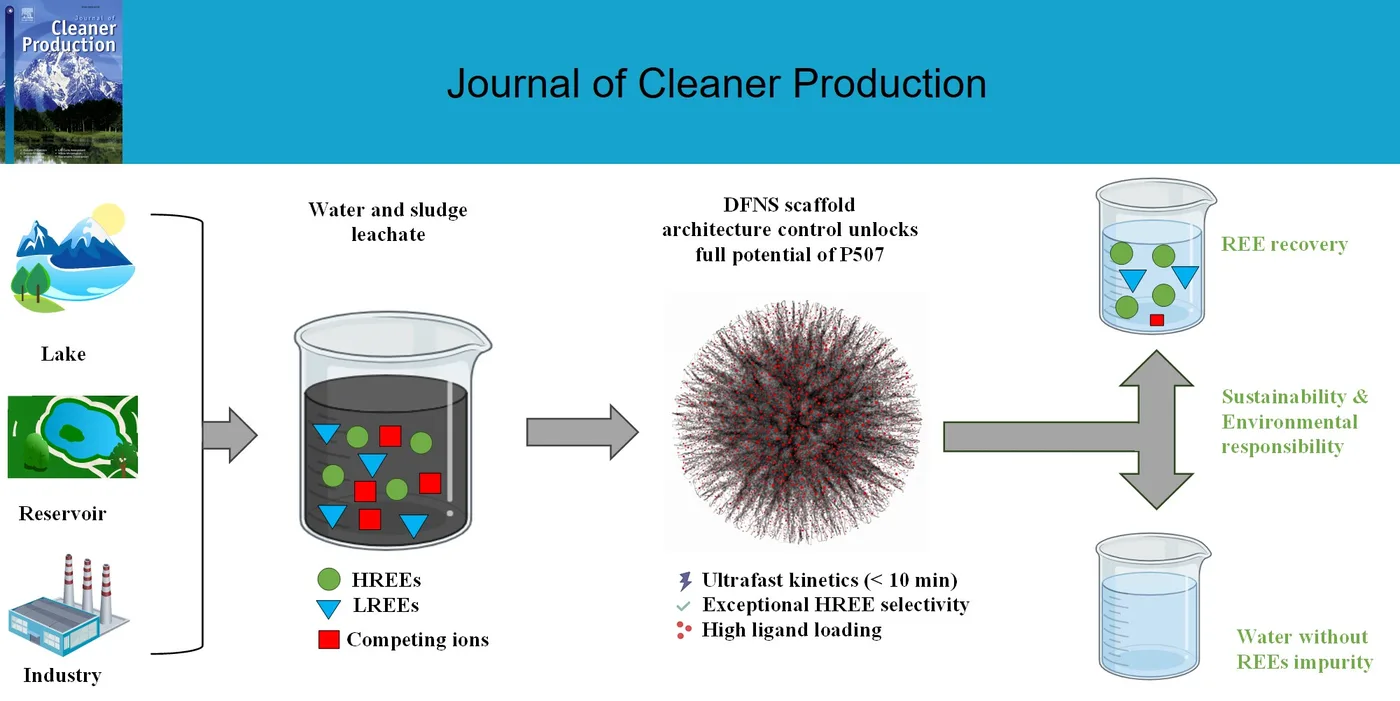
A P507-grafted dendritic nanosilica that strips over 95% of dysprosium from solution in five minutes, at 86.2 mg/g, and survives five regeneration cycles.
Journal of Cleaner Production 2026 Corresponding
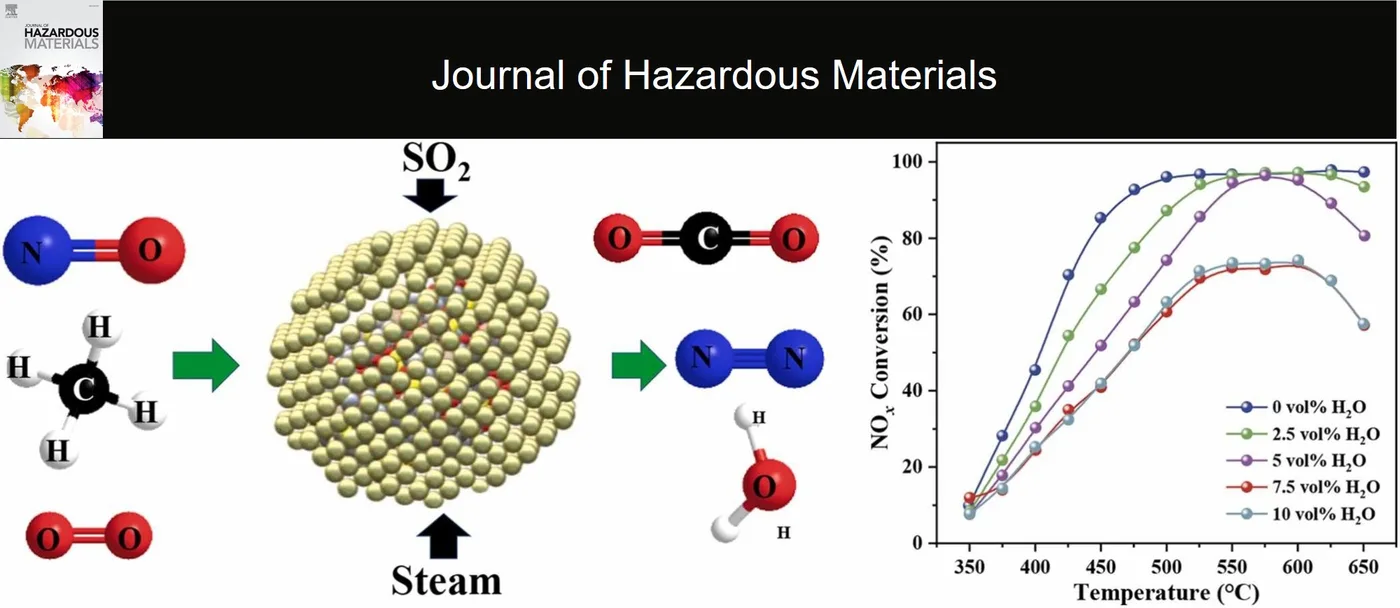
A ceria shell that lets an In/H-Beta catalyst hold 97.5% NOx conversion under the wet, sulfur-laden conditions that normally poison it.
Journal of Hazardous Materials 2025 First author
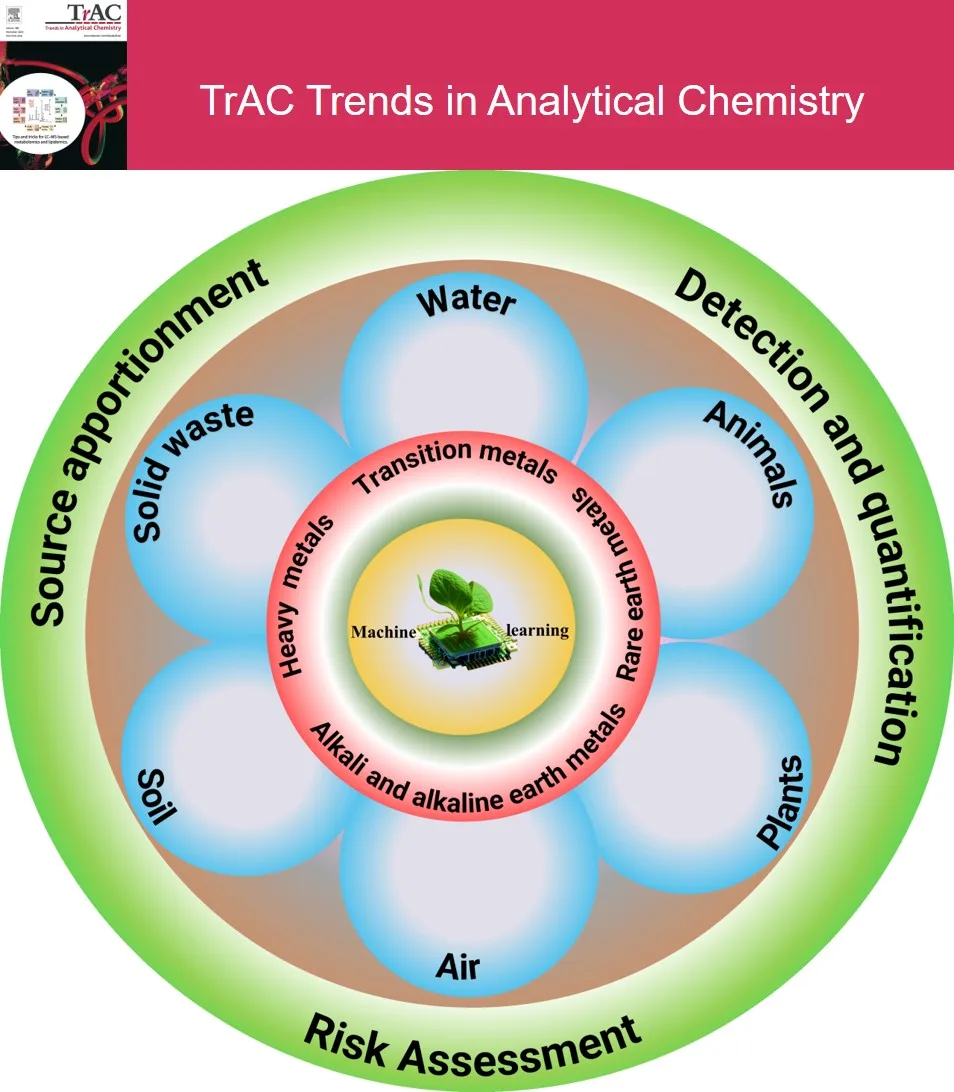
How machine learning is reshaping the detection, quantification and source-tracking of metal pollutants across soil, water and air.
TrAC Trends in Analytical Chemistry 2024 First author
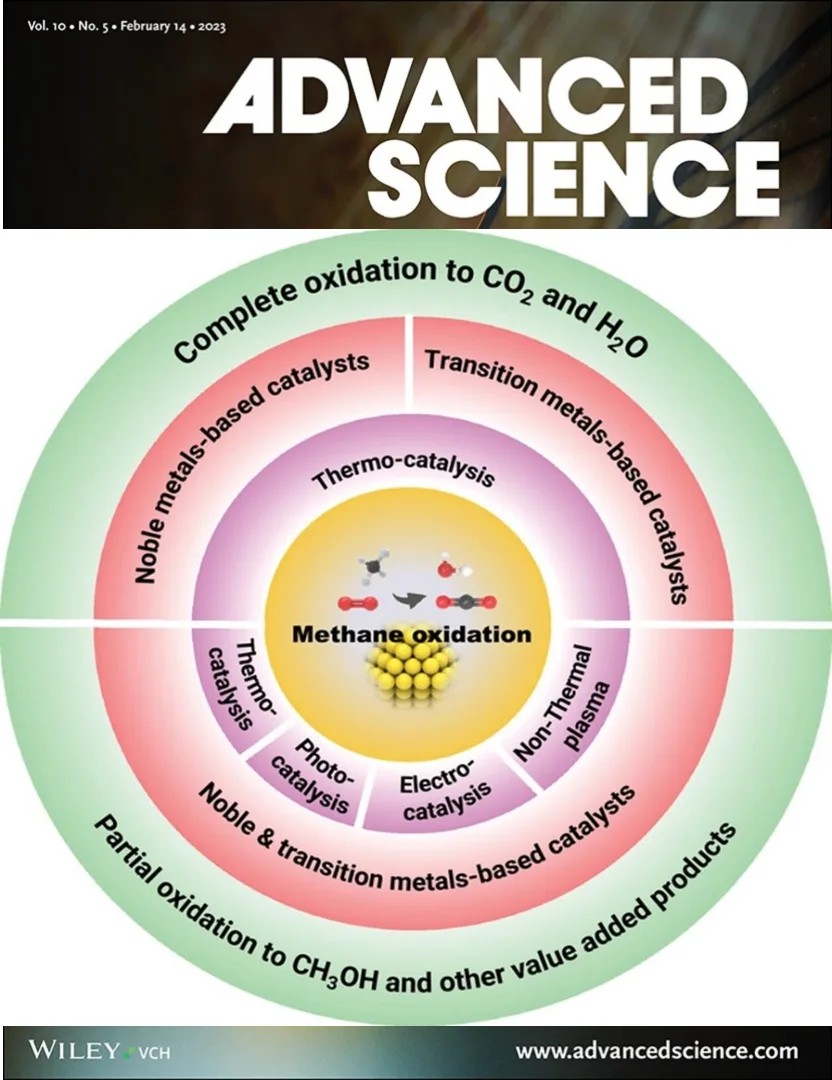
Activating methane's C–H bond between 50 and 500 °C, across four catalytic regimes.
Advanced Science 2023 First author
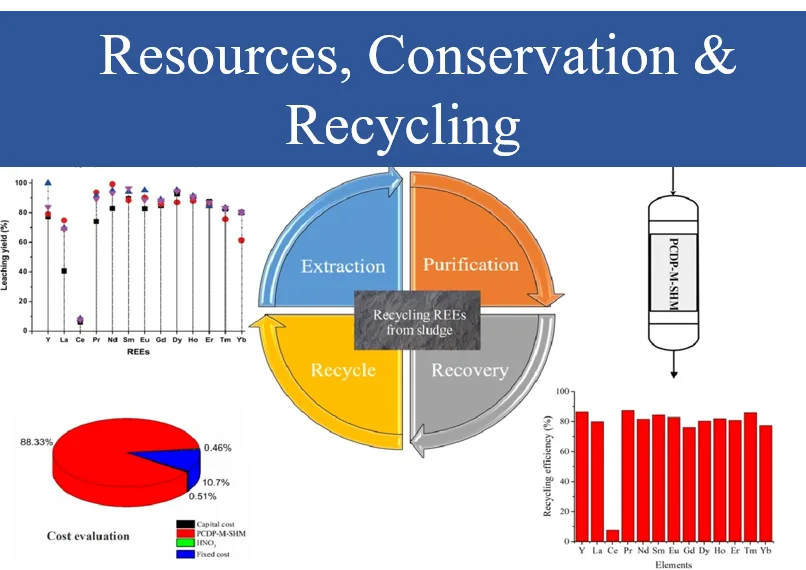
A closed loop that recovers 76–87% of the rare earths from industrial sludge using green leaching agents.
Resources, Conservation and Recycling 2022 First author
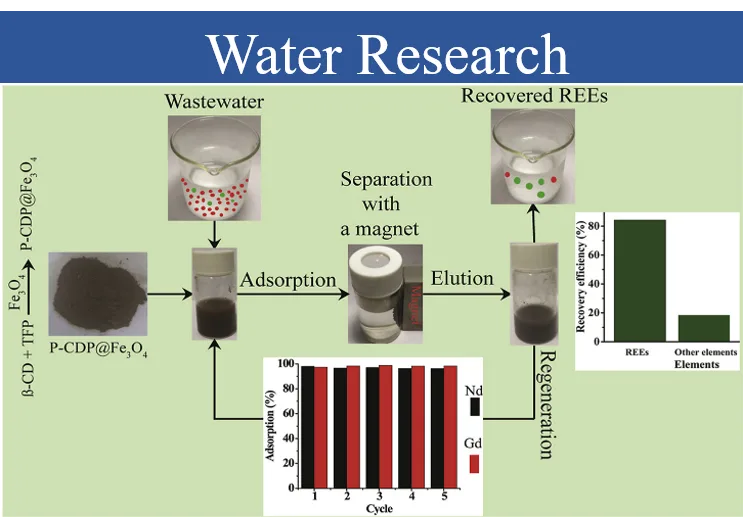
Magnetic cyclodextrin polymers that pull Nd, Gd, Eu and Y out of wastewater and regenerate five times over.
Water Research 2020 First author
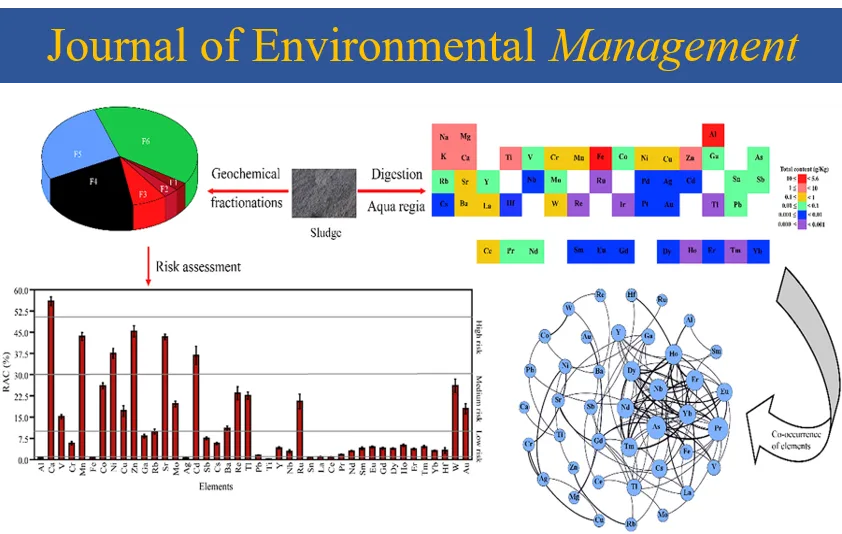
Of 48 elements measured in sewage sludge, Ni, Cu, Zn, Cd, Cr, Co, Sr, Ca, Mn, Mo, Re and W were the most mobile and posed the highest environmental risk on land application.
Journal of Environmental Management 2019 First author
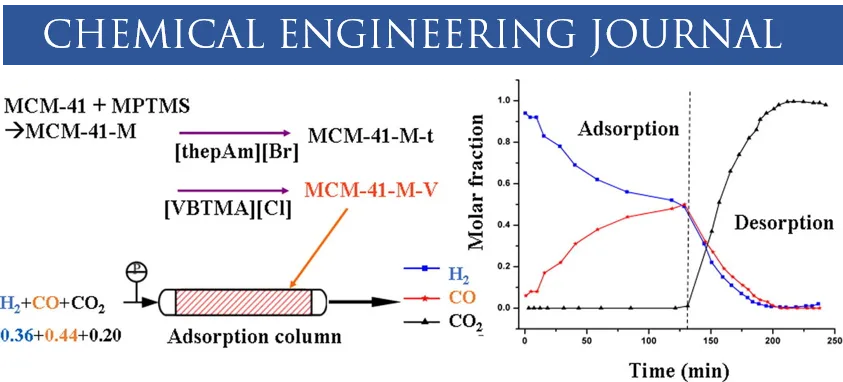
The [VBTMA][Cl]-grafted adsorbent held 3.90 mmol/g of CO2 with a CO2/CO selectivity of 95, and separated CO2 almost completely from an H2/CO/CO2 mixture.
Chemical Engineering Journal 2017 First author
| Project | Award | Period | Agency |
|---|---|---|---|
| Waste to Wealth: Recovery of Rare Earth Elements from Complex Waste Matrices Using Functionalized Covalent Organic Frameworks (W2433128) | ¥200,000 | 2025.01–2025.12 | NSFC, Research Fund for International Young Scientists |
| Functionalization of Dendritic Fibrous Nano Silica with Organophosphorus for Rare Earth Element Removal from Wastewater (624021-72) | ¥200,000 | 2024.06–2025.05 | Guangzhou City Postdoctoral Fellowship |